
There’s a quiet chaos humming beneath the surface of modern business. Every document proposal, contract, whitepaper, and compliance record is a digital heartbeat. And yet, somehow, most organizations are drowning in what they thought would liberate them: information.
In 2026, managing documents isn’t a side project; it’s survival. The Document Management System (DMS) has evolved from a storage tool to a cognitive infrastructure, a nervous system for the enterprise. But here’s the catch: not all DMS platforms are created equal.

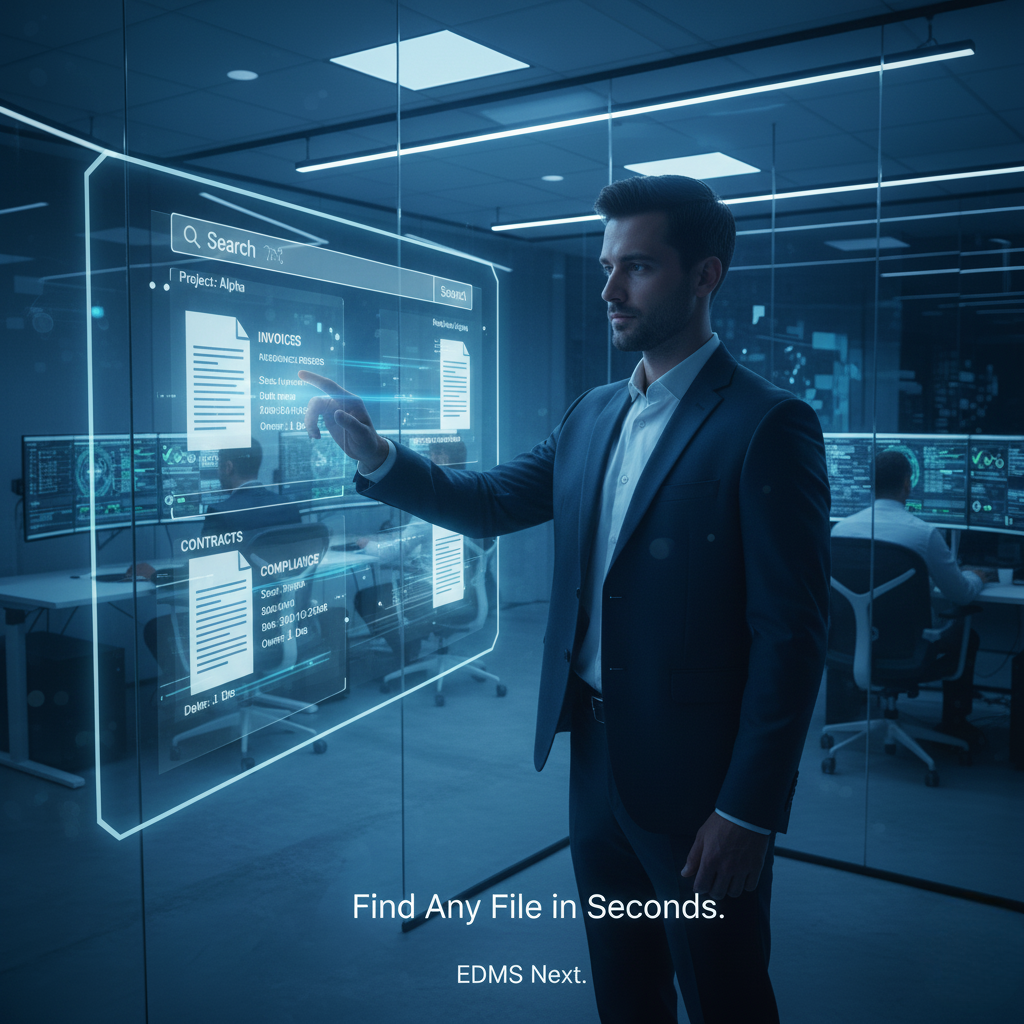


The term ‘Document Management System’ feels too clinical for what these platforms have become. In reality, a DMS today is a hybrid of storage, AI, compliance, and collaboration all stitched together by machine learning and governed by advanced security frameworks.
A true DMS in 2026 doesn’t just store documents; it interprets them. It reads metadata, predicts intent, aligns workflows, and knows who needs what before they even click ‘search.’ It’s knowledge with context, memory with awareness, and efficiency with empathy.
In a post-pandemic hybrid world, where teams stretch across time zones and security threats lurk like digital shadows, file management has become a form of corporate hygiene.
Still the corporate titan, but smarter. With its Syntex layer, SharePoint in 2026 uses generative AI to tag, summarize, and route documents automatically.
The godfather of enterprise content management. In 2026, it’s not just about storage; it’s about deep data governance.
The Finnish powerhouse continues to shine. M-Files brings a metadata-driven architecture that eliminates folder hierarchies entirely.
Efficiency reimagined. DocuWare is a cloud-first DMS known for rock-solid automation and intuitive dashboards.
Laserfiche reinvented itself with an AI-first, no-code focus. It’s now a workflow powerhouse wrapped in enterprise-grade security.
Once a storage app, now a full-fledged intelligent content cloud. Box integrates deeply with Salesforce, Slack, and Microsoft Teams, turning collaboration into structured knowledge.
A legacy enterprise tool that continues to dominate healthcare and financial sectors. In 2026, On Base will combine RPA with secure document workflows.
The open-source hero of DMS. Alfresco keeps its developer-friendly DNA but adds AI search and machine learning tagging.
Zoho is quietly infiltrating enterprise territory. WorkDrive now offers enterprise-level compliance, AI tagging, and built-in document analytics.
A rising name among IT directors. LogicalDOC blends open-source transparency with enterprise-grade control.
When every platform promises AI, automation, and cloud integration, choosing a DMS becomes more about alignment than features. You’re not buying storage, you’re buying organizational memory.
We’re moving from document management to knowledge orchestration. Tomorrow’s DMS won’t just organize files; it will organize thought.
Imagine a platform that can read a 60-page proposal, understand its intent, and summarize key risks before you even open it. That’s not fiction anymore; companies like Microsoft, Open Text, and Box are already there.
Technology rarely fails because of code; it fails because of culture. A DMS isn’t just a tech stack decision; it’s a trust decision.
In a world obsessed with information, true digital maturity is knowing what not to search for anymore because your system already knows where it is.
DMS-NEXT is designed to streamline your workflow, enhance collaboration, and ensure top-level security— An all in one centralized platform.

Request A Free Demo 👉
